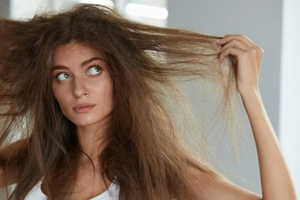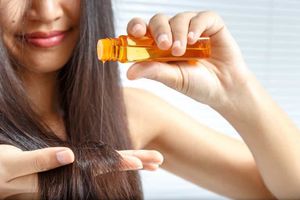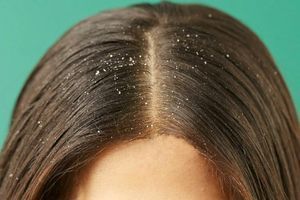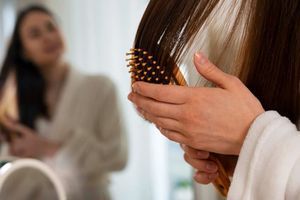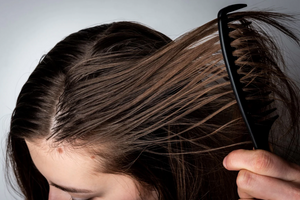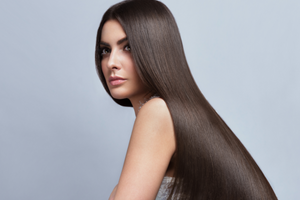
Hair care does not always deliver the softness and shine you expect. Sometimes the lengths become stiff, tangles increase and the ends break more easily. One possible explanation is an unsuitable combination of strengthening products. Understanding what is commonly called protein overload can help you adjust your routine without abandoning useful treatments.
What is protein overload in hair?
Protein overload is an informal term for hair that feels stiff, dry and less flexible after frequent or unsuitable protein-based care. It is not a medical diagnosis. It describes an unwanted cosmetic outcome rather than a condition that can be identified from one symptom alone.
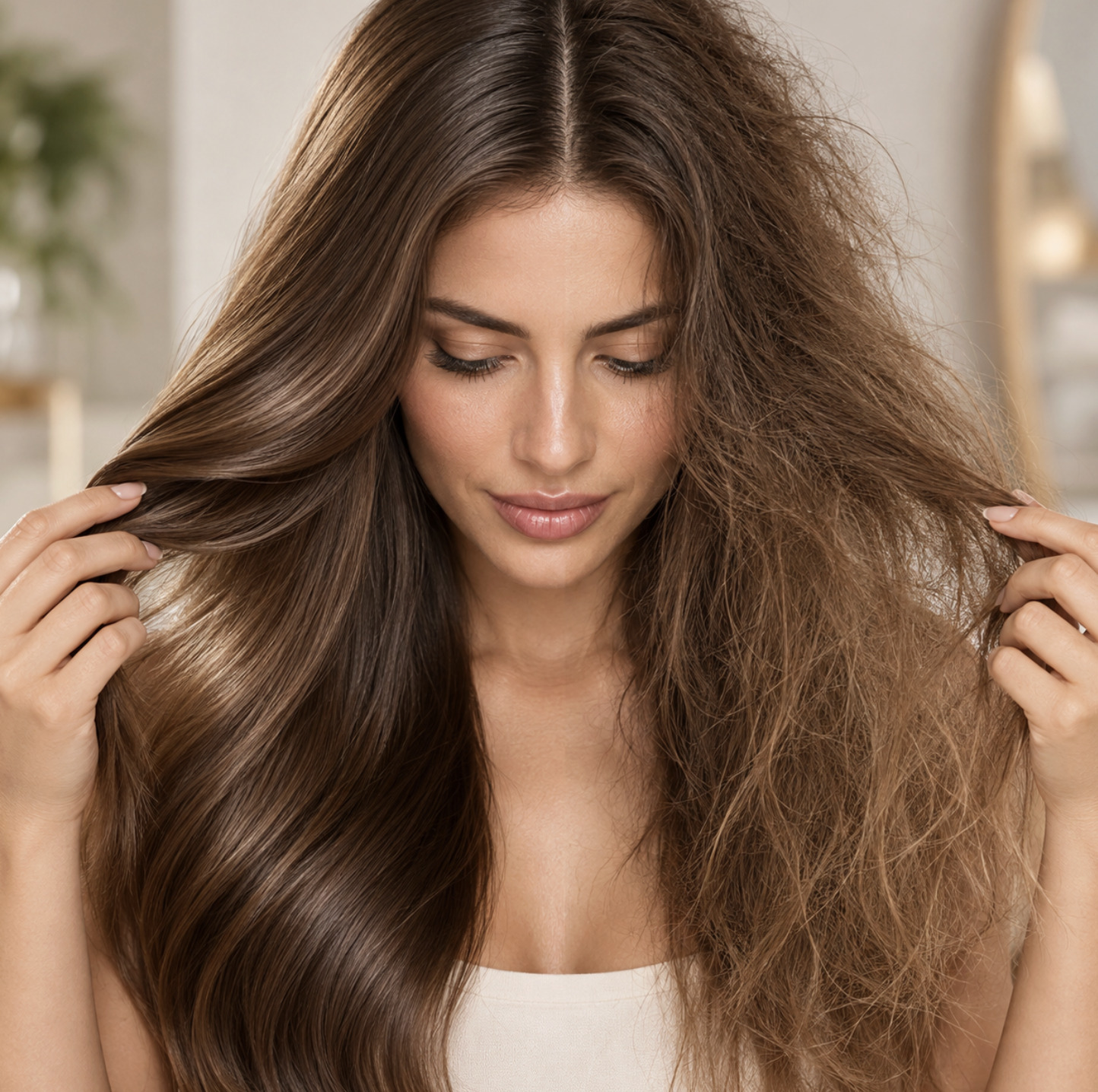
Hair consists mainly of keratin, a structural protein. Protein-containing cosmetics can temporarily smooth the surface, improve the feel of damaged lengths and make detangling easier. More intensive treatment, however, does not automatically produce a better result.
Why are proteins used in hair care?
Proteins and their derivatives feature in products for damaged hair. Hydrolysed ingredients have a smaller size, and their interaction with the hair fibre depends on the particular formula. Such products can improve the appearance and feel of the lengths.
Common ingredients include keratin, collagen, rice, silk and wheat proteins, alongside amino acids. The effect depends on concentration, the combination of ingredients and the overall formulation. Protein itself is not inherently harmful: a problem may arise when application frequency or the balance of conditioning and softening care does not suit your hair.
Why can hair feel overloaded?
Consider your whole routine, particularly if several products offer similar strengthening benefits. Stiffness can also result from cuticle damage, heat styling or overly intensive cleansing, so it should not automatically be blamed on protein.
- Using a protein mask more often than the manufacturer recommends.
- Layering several protein-based products in the same routine.
- Not providing enough conditioning and softness.
- Applying an unsuitable routine to already fragile, bleached or porous lengths.
The presence of protein on an ingredient list does not mean the product will cause overload. How your hair responds is more useful than avoiding an entire ingredient category.
Signs worth watching
- Increased stiffness and reduced flexibility.
- A dry, rough feel and more tangles.
- More breakage during brushing.
- Dull lengths that lack softness.
- A straw-like texture after a product that previously left hair smoother.
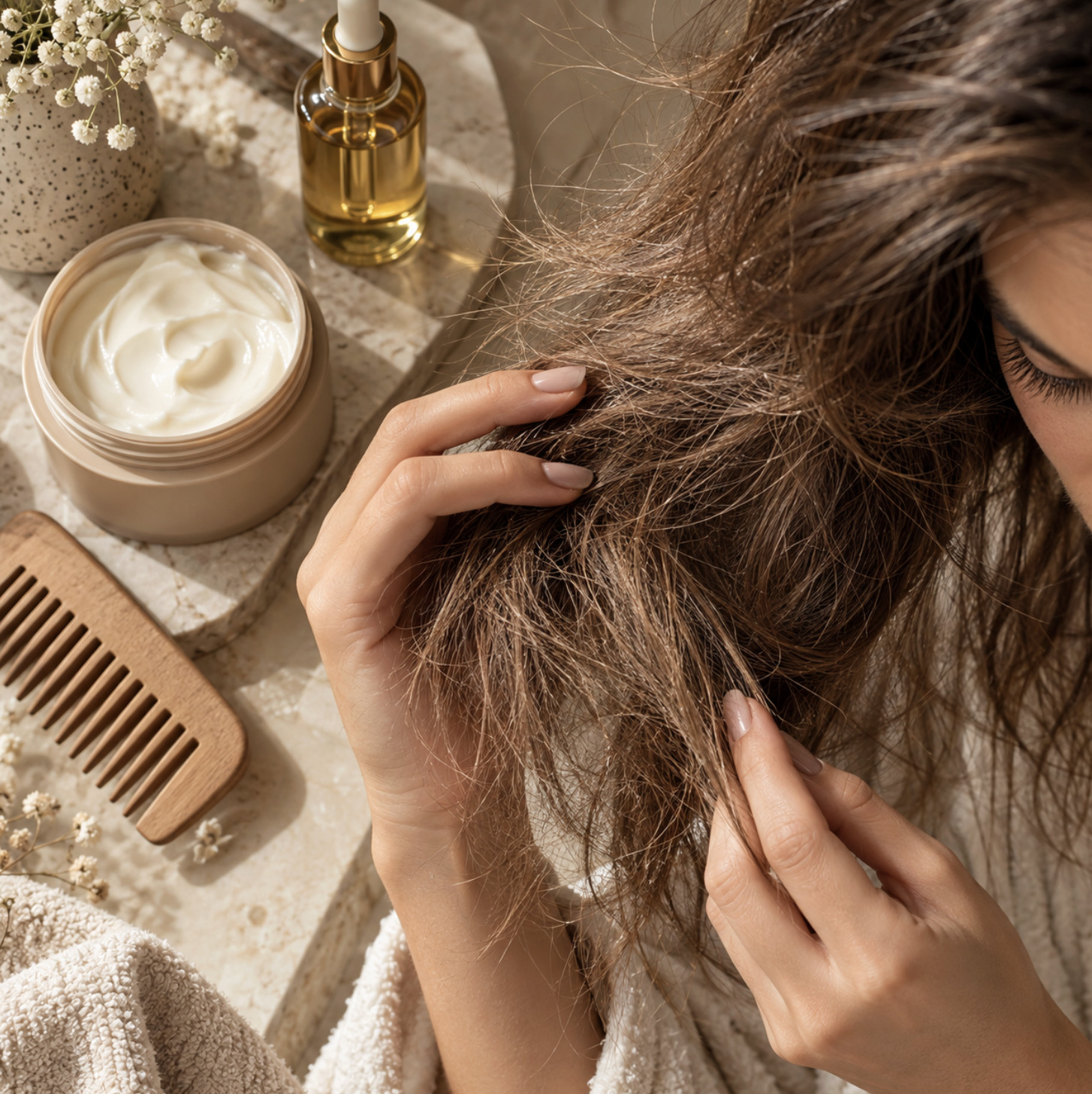
These signs are not specific to protein overload. Damage, product build-up and insufficient conditioning can look similar. If a particular product consistently makes your hair feel worse, temporarily reduce its use and monitor the change.
A shampoo for dry hair may be useful if it also suits your scalp, while softening serums and fluids can complement care for the lengths. Make changes gradually so you can tell which products improve manageability.
How to recognise proteins on the label
Check the INCI ingredient list. Names such as Hydrolyzed Protein, Hydrolyzed Keratin and Hydrolyzed Wheat Protein identify common protein-based ingredients. The list alone does not reveal the precise concentration of every ingredient or predict how the whole formula will perform.
If your hair feels stiffer after use, try applying the product less frequently or alternating it with a more softening conditioner. There is no need to discard every protein-containing product solely because of its ingredient list.
How to rebalance your routine
You cannot determine the hair's protein balance simply by looking at it. Choose care according to practical needs: coloured and bleached lengths often need extra conditioning, while curls need flexibility and easier detangling.
There is no universal treatment schedule. Follow the instructions, alternate products when needed and review the result. If stiffness develops, place more emphasis on conditioner, a softening hair mask and moisture-focused care.
Choosing products at Brazil-Prof
Explore professional hair care at Brazil-Prof by purpose and suitability for your hair. Consider colour history, heat-styling habits and how previous products performed. A considered balance of cleansing, conditioning and strengthening is more useful than adding treatments your hair does not need.