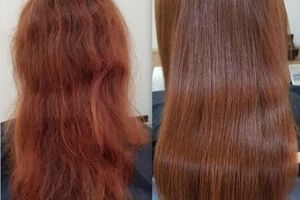
Keratin smoothing is often chosen for a sleek, shiny finish. Yet some people find their roots look less fresh afterwards and feel they need to wash more often. This does not always mean the treatment went wrong: the appearance of the hair, the distribution of sebum and your home-care needs may all change.
To work out what helps, distinguish scalp oiliness from product weight and consider what changed after the salon appointment.
Why can hair look greasier after keratin smoothing?

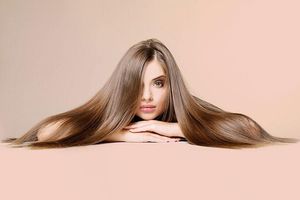
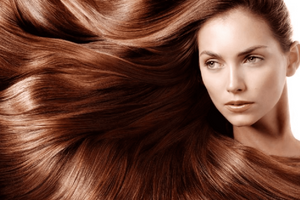
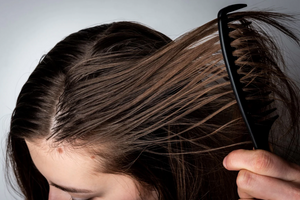
Smoother, straighter hair tends to sit closer to the scalp. With less root volume, even the usual amount of sebum may become more noticeable.
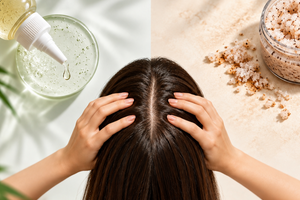
Oil distribution along the lengths may also appear different. However, the way your hair looks does not by itself prove that your scalp is producing more oil. Review your products and washing technique before assuming the treatment changed your oil production.
Possible reasons your roots lose freshness quickly
- Less volume and a smoother hair surface.
- A shampoo that does not cleanse your particular scalp effectively.
- Masks, conditioners or leave-ins that are too rich.
- Product residue or insufficient rinsing.
- A naturally oily scalp.
- Frequent touching and excessive brushing.
- Very hot water during washing.
- Problems with preparation or application of the salon treatment.
A professional protocol may specify a deep-cleansing shampoo before the treatment. That is not an instruction to use a clarifying product afterwards. Follow the particular treatment's aftercare instructions and your stylist's advice.
Aftercare mistakes that add weight
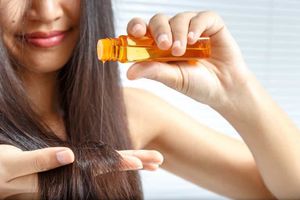
Applying conditioner or a mask too close to the roots, layering leave-ins, and using rich oils or dense serums can make the hair feel less fresh. Products that do not suit your scalp and incomplete rinsing may also contribute.

Start by reviewing cleansing. A sulphate-free label alone does not tell you whether a shampoo will clean your scalp effectively. Compare shampoos for oily hair and options with a suitable mild cleansing system, checking compatibility with the aftercare guidance for your specific treatment.
What to do about oily roots
- Choose shampoo primarily for your scalp's needs while considering keratin aftercare requirements.
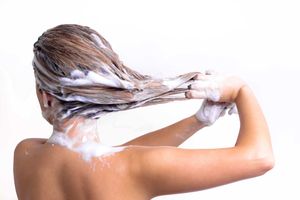
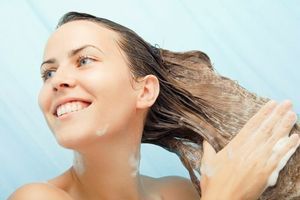
- Cleanse the root area carefully and rinse away the lather thoroughly.
- Apply conditioner mainly to the lengths and ends.
- Use an appropriate hair mask in a moderate amount.
- Reduce unnecessary layers of styling and leave-in products.
- Wash when needed rather than forcing longer gaps despite discomfort.
- Use warm rather than hot water.
- Clean brushes and hair accessories regularly.
This approach helps balance a comfortable scalp with smooth lengths. Avoid introducing several stronger cleansing products at once: gradual changes make it easier to identify what works.
When should you seek professional advice?
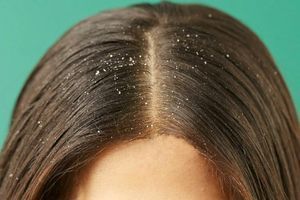
If pronounced oiliness returns within hours of washing, or comes with itching, irritation or dandruff, the cause may go beyond your routine. Seek advice from a dermatologist or a qualified scalp-care professional rather than repeatedly replacing products without an assessment.
A modest change in how the roots look after smoothing may be explained by reduced volume and a different routine. Learn more about the procedure in our article on lesser-known facts about keratin straightening.
Explore professional home care after salon treatments at Brazil-Prof. Match product purposes to the needs of both your scalp and lengths to maintain freshness without unnecessary weight.