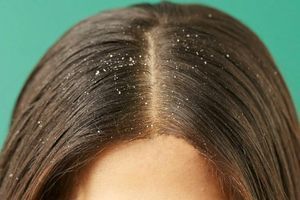
The modern pace of life dictates its own rules: daily hair styling, city smog, stress, and vigorous exercise make frequent hair washing a habit. However, trichologists increasingly report that excessive cleansing disrupts the hydrolipid balance, causing dry ends and increased oiliness at the roots. To restore your hair's harmony and natural freshness, it's worth learning to wash your hair less frequently—without discomfort, a feeling of dirt, or a loss of a neat appearance. This is possible with a professional approach and an understanding of how to properly adapt your hair care routine. Let's explore how to train your hair to wash less frequently, step by step.
Is it possible to wash your hair every day, and how can you train your hair to wash less often?
Many people wonder whether it's okay to wash their hair every day. In fact, washing it every day can be perfectly justified, and it doesn't harm the scalp or hair strands. However, it's important to choose special products for daily use and be sure to use balms or conditioners for deep hydration and protection of the lengths. Even trichologists sometimes answer the question of why people wash their hair every day by saying that such regular care helps maintain the freshness of their locks and scalp, reduces the risk of skin conditions, and eliminates the need for styling products.

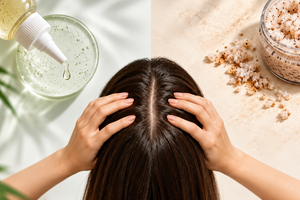
If you're wondering how to wash your hair every day without damaging it, look into the pre-wash technique, which involves a preparatory step before washing, where you apply oil or a nourishing mask to dry hair to protect the lengths from drying out. This technique helps maintain hair elasticity and shine, especially with regular cleansing.
While there's no reason why you shouldn't wash your hair frequently, many women still want to reduce the frequency of washing as much as possible. The key to learning to wash your hair less often is a gradual transition. If you're used to washing your hair daily, don't suddenly stretch out the intervals between treatments: your scalp needs to adapt to the new washing routine. Start by increasing the interval by one day—for example, wash your hair every other day instead of daily cleansing. After 2-3 weeks, you can try washing your hair every other day. Even with oily scalps, trichologists agree that washing your hair three times a week is perfectly acceptable. It's all about proper care and choosing the right products.
To maintain cleanliness and appearance during this period, it's important to follow a few principles:
- Use dry shampoo on days you don't wash your hair: it absorbs excess oil and adds volume to the roots;
- Avoid touching your hair unnecessarily, as touching increases oiliness;
- Change your pillowcase every 2-3 days: sebum and dust accumulate on the fabric;
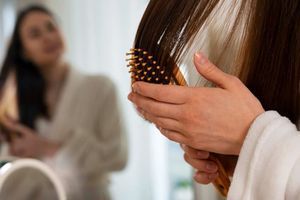
- Brush your hair gently, avoiding the roots to avoid stimulating the sebaceous glands.
Gradually, your body will adapt, and oiliness will decrease naturally.
Techniques and products: how to wash your hair without damaging it
As the intervals between washes increase, proper cleansing is especially important. Mistakes at this stage can ruin all your efforts. If you're wondering how to wash your hair less often, follow these professional techniques:
- Before washing, thoroughly comb your hair—this will improve circulation and evenly distribute sebum along the lengths;
- first rinse with warm (not hot!) water to soften sebum and open the cuticle;
- apply a gentle shampoo only to the scalp, lathering it with your fingertips, not your nails;
- gently massage with a brush before washing or while applying shampoo—this stimulates microcirculation and strengthens the roots;
- apply masks or conditioners only to the lengths and ends, avoiding the root area;
- use a deep-cleansing shampoo every two weeks. This approach cleanses gently without irritating the skin or drying out the hair, and regular use of gentle products gradually normalizes the sebaceous glands.
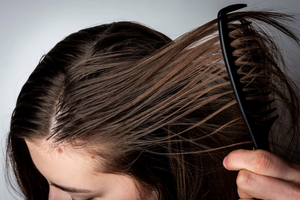
If your hair gets dirty every day, professional shampoos are essential. They should contain sebum-regulating ingredients that regulate sebum production. Sulfate-free shampoos are generally not suitable for oily scalps, as they do not provide sufficient cleansing. Products with sebum-regulating ingredients are an exception.
How to remove visible fat and maintain volume
Many people worry that infrequent washing of their hair will quickly cause it to lose its shape. But with proper care, you can maintain a well-groomed appearance and root volume. If you're wondering how to get into the habit of washing your hair every day, try the following tips:
- Use a texturizing spray or volumizing powder—they absorb oil and visually refresh your hair;
- Apply dry shampoo not only to the roots but also to the back of the head—that's where shine often appears;
- A loose curl or a loose bun helps conceal excess oiliness and creates a stylish look;
- Skip the daily use of a flat iron, hairspray, and mousse—less styling means less buildup.
This will prolong the feeling of freshness without weighing your hair down.
Lifestyle and internal habits

How often you wash your hair is directly related to your lifestyle. If you don't need to wash your hair every day, pay attention to your habits:
- Include foods rich in zinc, biotin, and omega-3 fatty acids in your diet;
- Drink enough water to keep your scalp hydrated;
- Exercise regularly, but don't rush to wash your hair afterward—just pat your roots dry with a towel and then use dry shampoo;
- Try to avoid wearing tight ponytails and hats that prevent your scalp from breathing.
By changing your lifestyle, you'll notice your hair stays cleaner longer, and the habit of frequent washing will gradually disappear.
Frequently asked questions and errors
Many people begin their journey to less frequent washing with enthusiasm, but quickly encounter unpleasant sensations—itchiness, loss of freshness, and flattened roots. This is natural during the first few weeks. Key mistakes to avoid:
- using harsh shampoos containing sulfates—they dry out the scalp, causing compensatory oiliness;
- applying masks to the scalp—this weighs down and makes hair more greasy;
- not rinsing sufficiently—shampoo residue irritates the scalp and causes itching;
- not regularly changing your brush and towel.
If you follow these recommendations, the discomfort will quickly subside, resulting in a healthier scalp and a more stable balance.
Ready to update your skincare routine?
If you want to reduce the frequency of washing while maintaining light, healthy-looking hair, start by choosing the right products. Professional formulas provide gentle cleansing, maintain balance, and add shine.
Ready to update your hair care routine? Choose professional products at Brazil Prof—here you'll find shampoos, masks, and sprays recommended by experts for a smooth transition to a more natural hair care regimen.