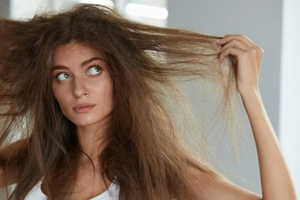
Wavy hair can be difficult to style: the lengths may become fluffy and lose their shape, or look sticky and overly wet. Adapting the curly hair method to waves can help define the natural pattern without weighing it down. The aim is movement and a soft finish, not maximum product coverage.
Does the curly girl method work for wavy hair?
The key principles are gentle cleansing, conditioning and styling that respects your natural texture. The approach is not limited to tight curls. Wavy hair that becomes dry, tangled or unevenly defined may also benefit from a considered routine.

Adapt the products to your hair: a rich formula designed for dense curls can be too heavy for fine waves. For more background, see our guide to the curly hair method and its main steps.
What does wavy hair need?
Waves may react to humidity, lose definition and tangle easily. A useful routine provides enough conditioning while retaining volume and a light feel.
- Cleanse according to your scalp's needs.
- Keep the lengths soft and flexible.
- Choose products that help manage frizz.
- Watch whether rich oils or film-forming formulas weigh the hair down.
- Preserve the natural wave pattern while drying.
The whole formula and the amount applied matter more than judging a product by a single ingredient. Consistency and observing the result help you find a practical balance.
Which products help create lightweight waves?
Fine and medium-textured hair often benefits from starting with light formulas and small amounts. A basic routine may include:
- a shampoo for wavy hair that also suits your scalp;
- a moisturising conditioner for curls and waves;
- a lightweight curl cream;
- mousse or foam for shape and volume;
- gel with the hold you need;
- a small amount of serum or fluid when useful.
You do not need every product at once. Too much layering can leave waves flat. If the lengths are dry or damaged, choose extra conditioning that does not overload the roots.
How to avoid a wet, crunchy finish
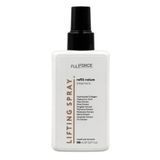
Start with sufficiently wet hair and distribute a small amount of styler evenly. Choose lightweight options such as curl styling sprays, and avoid layering several stylers without a clear need.

Gel can form a cast: a firm coating that develops as the hair dries. Wait until the lengths are completely dry, then gently scrunch out the crunch with your hands. This helps soften the finish while retaining shape. If the hair remains sticky and heavy, try using less product or switching to a lighter formula.
A step-by-step wavy hair routine
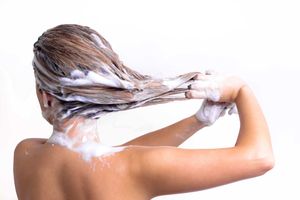
- Wash your scalp and hair with an appropriate shampoo.
- Apply conditioner to the lengths and gently detangle.
- Rinse according to the product instructions.
- Distribute a small amount of styler through sufficiently wet hair.
- Scrunch upwards to encourage the natural wave pattern.
- If needed, blot excess water with a microfibre towel without rubbing.
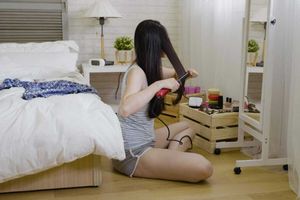
- Air-dry or use a diffuser with moderate heat.
- Once fully dry, gently scrunch out any cast and arrange the waves with your hands.
Adjust water and product amounts to suit your hair. This sequence is a starting point rather than a rigid rule. Hair that is too dry can be harder to coat evenly, while excessive styling product can reduce volume.
How to maintain the result
Dry and porous lengths may need extra conditioning, but light waves do not necessarily need a rich mask at every wash. Assess softness, volume and definition together. Humidity and drying technique also influence how well the style holds.
The wavy hair method is a flexible routine for making the most of your own texture, rather than changing your natural hair type. Explore care and styling at Brazil-Prof according to the hold, finish and conditioning your waves need.